Understanding Samsung Micro RGB Technology
In the rapidly evolving world of television technology, Samsung's Micro RGB TV stands out as a remarkable innovation. This cutting-edge technology aims to redefine our viewing experiences, offering vivid colors and unparalleled clarity. As television enthusiasts seek the ultimate home entertainment options, understanding the nuances of Micro RGB technology becomes crucial. When exploring options, Samsung Micro RGB TV delivers comprehensive insights into how this technology enhances picture quality and user engagement. Let's dive deeper into what makes Micro RGB a game-changer in the industry.
What is Micro RGB Technology?
Micro RGB technology is an advanced display technology that leverages microscopic light-emitting diodes (LEDs) to produce images. Unlike traditional LED or OLED displays, Micro RGB TVs utilize an array of RGB diodes that are individually controlled, allowing for superior color accuracy and brightness. This technology is particularly effective in producing deep blacks and vibrant colors, making it ideal for HDR (High Dynamic Range) content. With the ability to achieve greater contrast and color precision, Micro RGB TVs offer a more immersive viewing experience.
How Samsung Innovates with Micro RGB Displays
Samsung has been at the forefront of display innovation, and its Micro RGB TVs are no exception. By combining advanced manufacturing techniques with intelligent software, Samsung has created a lineup of TVs that not only deliver stunning visuals but also optimize performance based on content type. Their proprietary AI-powered image processing enhances the viewing experience by intelligently adjusting brightness, color saturation, and contrast, ensuring that every scene is visually breathtaking. Samsung's commitment to sustainability is also evident, as their manufacturing processes for Micro RGB televisions aim to reduce waste and energy consumption.
Benefits of Using Samsung Micro RGB TV
- Exceptional Color Accuracy: Micro RGB technology allows for more precise color reproduction, making films, sports, and video games look more lifelike.
- Greater Energy Efficiency: Compared to conventional LCD/LED technologies, Micro RGB TVs consume less power while delivering superior output.
- Thin and Lightweight Design: The compact nature of Micro RGB diodes enables manufacturers to create ultra-thin and lightweight TV designs that fit seamlessly into any living space.
- Enhanced Viewing Angles: Unlike traditional displays, Micro RGB TVs provide consistent color and brightness from wide viewing angles, making them perfect for group viewing.
Key Features of the Samsung Micro RGB TV
Stunning Picture Quality and Clarity
Samsung Micro RGB TVs are equipped with a panel of thousands of tiny RGB diodes that work together to deliver vibrant and dynamic images. This kind of precision allows for darker blacks, brighter whites, and colors that pop with clarity, immersing viewers in their favorite shows and movies like never before. The sharpness and definition of images enhance the storytelling process, making viewers feel as if they are part of the action.
AI-Powered Image Processing
One of the standout features of the Samsung Micro RGB TV is its AI-based image processing capabilities. This sophisticated technology analyzes each frame in real-time, optimizing color and brightness dynamically. With the incorporation of machine learning algorithms, the television can learn from user preferences and adapt to provide a personalized viewing experience. Whether you’re watching a thrilling action movie or a serene nature documentary, the AI ensures the picture quality is at its peak.
Design and Aesthetic Appeal
Beyond performance, Samsung’s Micro RGB TVs emphasize sleek design and modern aesthetics. The ultra-thin bezels enhance the immersion by providing a near-edge-to-edge screen experience, while the minimalist design allows the TV to complement various interior styles. Samsung also offers customizable stands and wall-mount options, ensuring that your TV is not just a device, but a centerpiece of your room.
Comparing Samsung Micro RGB TV with Other Technologies
Micro LED vs. Micro RGB: What’s the Difference?
While both Micro LED and Micro RGB technologies utilize microscopic diodes, the key difference lies in their structure and capability. Micro LED panels consist of individual light-emitting diodes for each pixel, which allows for instantaneous color and brightness adjustments without the need for a backlight. In contrast, Micro RGB employs an RGB backlight, making it slightly less sophisticated than Micro LED but still highly effective in delivering excellent image quality at a lower price point.
Plasma and OLED: Competing Technologies
Plasma and OLED technologies have long been contenders in the premium TV market. Plasma TVs, known for their rich colors and deep blacks, have mostly become obsolete due to power consumption and screen burn-in issues. OLED technology, on the other hand, employs organic compounds that emit light, providing exceptional black levels and color accuracy. However, OLEDs can struggle with brightness in well-lit environments. In contrast, Samsung's Micro RGB TVs leverage the strengths of both technologies, offering superior brightness along with vibrant colors, without the disadvantages of burn-in.
Real-World Performance Comparisons
When looking at real-world performance, Samsung’s Micro RGB TVs consistently outperform many competitors in various categories. Tests show that Micro RGB displays excel in bright environments due to their ability to produce higher brightness levels without sacrificing contrast. Additionally, user reviews highlight the immersive gaming experience offered by these TVs, where fast-refresh rates and low input lag make them ideal for gamers.
Best Use Cases for Samsung Micro RGB TV
Home Entertainment Systems
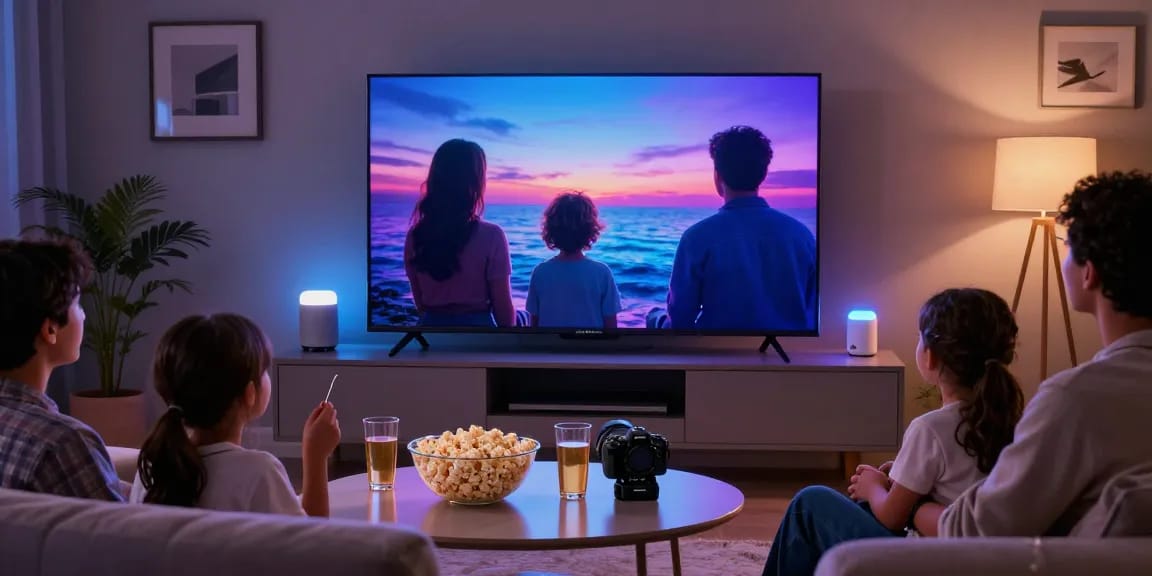
For home entertainment enthusiasts, the Samsung Micro RGB TV is a perfect fit. Its vibrant picture quality paired with excellent audio systems (when combined with compatible soundbars) creates an exceptional cinematic experience. It supports various smart TV functionalities, allowing seamless access to streaming platforms like Netflix, Hulu, and more. Additionally, the TV’s capability to adjust settings for different content types makes it a versatile option for movie nights, binge-watching series, or enjoying live sports.
Gaming Experience Enhancements
Gamers will find the Samsung Micro RGB TV particularly appealing due to its high refresh rates and responsive input lag, which is crucial for fast-paced gaming. The vivid colors and HDR support enhance gaming visuals, allowing players to fully appreciate the graphics and details in their favorite titles. Furthermore, Samsung’s technology ensures that games are displayed without any blurring or stuttering, providing a smooth gaming experience.
Professional Displays for Business Use
Micro RGB technology is also making its mark in the business sector. For professional presentations, marketing displays, and conference rooms, the picture clarity and color fidelity of Samsung Micro RGB TVs stand out. They can effectively showcase visual presentations with intricate details, making them ideal for design and creative fields where image quality is paramount.
Future Trends in TV Technology
Predicted Developments in Display Technology by 2026
Looking ahead, the television industry is expected to evolve rapidly. By 2026, we anticipate even more sophisticated offerings in Micro RGB technology, such as enhanced AI capabilities for even sharper image quality and smarter adaptiveness to various lighting conditions. New innovations may include support for multi-dimensional audio experiences, deep learning algorithms for content adaptation, and seamless integration with AR/VR technologies, further blurring the lines between reality and digital content.
Emerging Trends in Smart Home Integration
As smart homes continue to gain traction, TVs will likely play a central role in home automation. Samsung Micro RGB TVs will be pivotal in this transformation, featuring increased integration with smart home systems. Expect functionalities such as voice control, automation features for scheduling content viewing, and integration with IoT devices that enhance the user experience.
Sustainability Practices in TV Manufacturing
Lastly, sustainability will remain a focal point in the manufacturing of televisions. As consumer awareness grows, manufacturers like Samsung are likely to adopt greener practices, utilizing recyclable materials and reducing waste throughout the production process. Future models may also consume less power, leveraging advancements in energy efficiency technologies.